September 23, 2026
Copper is a cornerstone of modern industry, essential for electrical applications, plumbing, and a host of industrial uses. It features prominently in everyday technologies and infrastructure, facilitating efficient energy transmission and critical technological functions. Today, meeting the world's burgeoning demand for copper requires creative supply chain solutions. Surprisingly, metal recycling has emerged as a crucial player in this scenario, with scrap copper fulfilling a substantial portion of global needs. According to WifiTalents, roughly 40% of the world's copper production is supplied through scrap metal. This fact underscores the indispensable role that sustainable processing plays in supplying nearly half the world's copper.
The global demand for copper continues to rise across residential, commercial, and industrial manufacturing sectors. From electrical wiring in homes to components in electric vehicles and solar panels, copper remains an irreplaceable resource. However, relying solely on raw material extraction creates severe environmental disturbances, high operational costs, and energy-intensive processing demands. Traditional mining faces finite resource availability and complex logistical challenges, making alternative supply models necessary. By using metal recycling to bridge the supply gap, industries can stabilize prices, lower energy consumption, and preserve natural habitats without sacrificing material quality.
Examining the Growing Demand for Copper
Copper's utility in daily life is vast, serving as an essential element in residential and commercial infrastructure. From electrical wiring to plumbing systems, electronics, and transportation, the metal is vital to modern conveniences. In construction, its durability and corrosion resistance make it ideal for roofing, piping, and electrical grid frameworks. The transition toward clean technology, including electric vehicles and renewable power generation, has exponentially increased consumption, making consistent metal recycling essential to prevent severe resource deficits.
Meeting this surging demand through traditional mining alone poses significant environmental and economic challenges. Ore extraction requires massive amounts of energy, destroys land habitats, and risks water contamination. Furthermore, high-grade copper reserves are finite, leading to lower yields and higher extraction costs over time. Utilizing scrap copper offers an immediate solution, allowing manufacturing sectors to access high-quality material at a fraction of the ecological and financial cost associated with primary mining.
Future projections indicate that global copper consumption will accelerate in the coming decades. Emerging markets, expanding urban centers, and advanced energy storage systems will continue driving high resource requirements. To maintain market equilibrium, key stakeholders must expand recycling capabilities, refine collection infrastructure, and incentivize sustainable sourcing across industrial sectors.
Understanding Modern Metal Processing Techniques
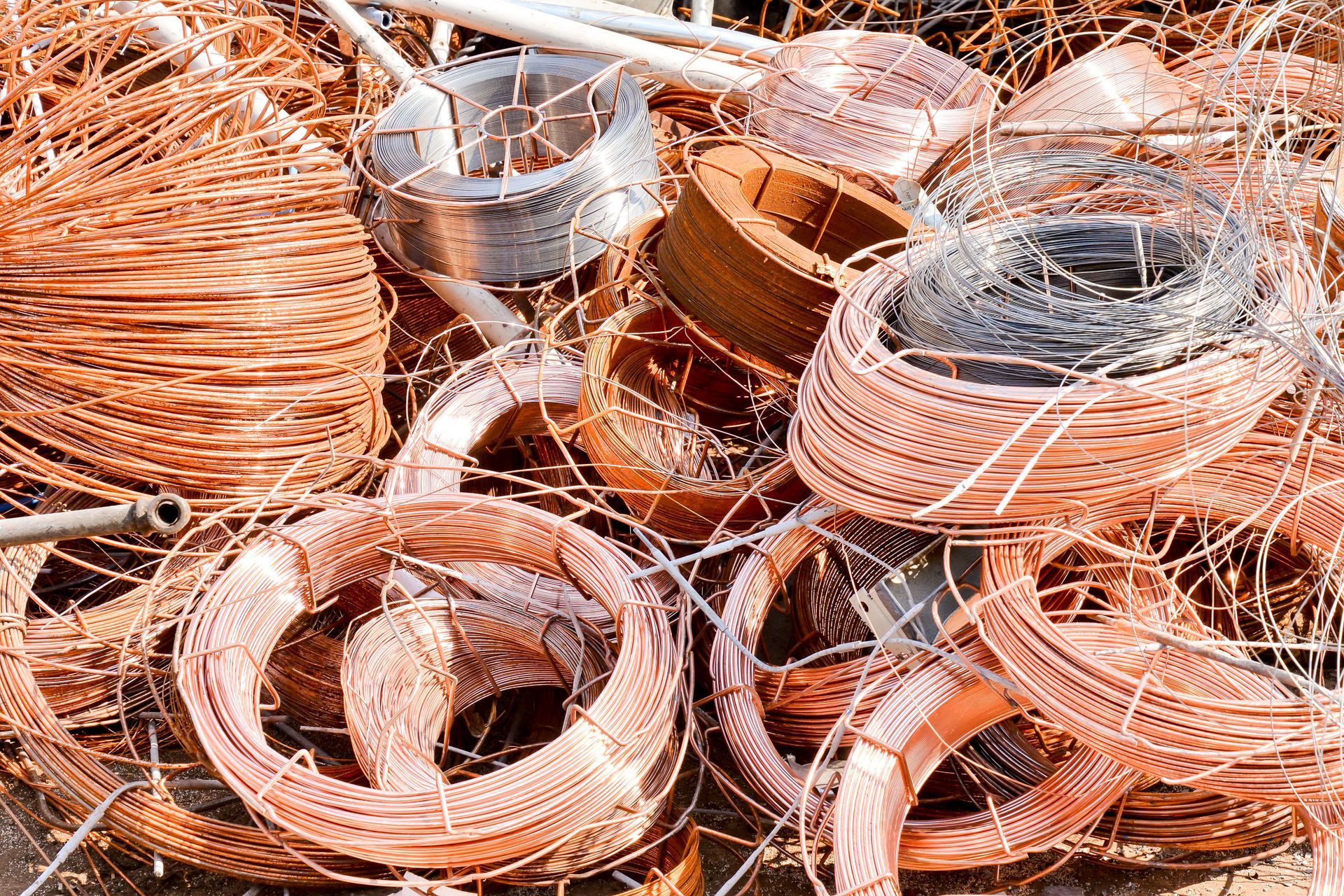
The journey of recycled materials begins with sourcing scrap copper from municipal, commercial, and industrial streams. Obsolete electronics, demolished building piping, discarded appliances, and manufacturing leftovers serve as primary feedstocks. Collecting these materials systematically prevents valuable metals from entering landfills. Once gathered, scrap undergoes strict sorting processes to remove contaminants like insulation, plastics, and non-ferrous alloys, ensuring higher efficiency during downstream processing.
Refining scrap involves sophisticated methods designed to restore the metal to maximum purity. Smelting melts the scrap down at extreme temperatures, while electrolysis uses electrical currents to isolate pure copper from residual impurities. These processes require a fraction of the energy needed to process raw ore, yielding high-grade outputs suitable for delicate electronics and heavy industrial applications alike. Continuous technological innovations, such as automated optical sorting and refined chemical separation, continue to boost total output yield.
Despite these advancements, operational challenges like chemical contamination and mixed-alloy processing persist. Facilities must continuously update their systems to maintain safety standards and emission controls while handling complex scrap feeds. Through investment in modern recovery facilities, the metal recycling sector can maximize efficiency, lower processing expenses, and supply cleaner inputs for international distribution networks.
Evaluating Successful Global Recycling Models
International initiatives highlight how effective policies drive higher recovery rates for copper resources. The European Union has established strict regulatory frameworks encouraging manufacturers to design electronics with eventual recovery in mind. Financial grants, public awareness campaigns, and circular economy mandates have elevated European collection rates to world-leading levels. These policies illustrate how government support and public participation intersect to secure essential material flows.
In the United States, municipal collection systems and private partnerships work together to process high volumes of scrap. Local programs gather non-ferrous materials from residential and industrial sectors, while private processing facilities invest in advanced sorting equipment. Japan presents another stellar model, utilizing automated sorting technology and high citizen engagement to maximize material recovery within a land-constrained environment. These models show that clear regulations and technological investments yield resilient secondary metal markets.
Emerging economies are also expanding their processing infrastructure to capture valuable secondary resources. Nations experiencing rapid urbanization, such as China and India, are scaling up processing operations to support local construction and technology sectors. Sharing best practices, technological advancements, and regulatory frameworks across borders will allow emerging markets to optimize their supply chains and contribute to global resource conservation.
Analyzing Economic Impacts on the Market
Relying on recycled inputs provides major financial advantages over primary material extraction. Lower energy requirements translate directly into reduced operational costs for manufacturers and foundries. Furthermore, processing scrap avoids the vast capital expenditures associated with opening and maintaining new mining sites. These cost savings extend down the supply chain, stabilizing pricing for consumer electronics, construction materials, and power infrastructure.
Secondary material supplies play a critical role in dampening market volatility. When primary mining operations face labor strikes, political instability, or environmental disruptions, scrap inventory cushions the supply chain against sudden price spikes. A steady flow of secondary inputs ensures continuous manufacturing operations across automotive, aerospace, and energy sectors. This supply buffer fosters long-term economic stability across interconnected global markets.
The growth of recovery operations also acts as a powerful job creator across logistics, engineering, processing, and environmental management sectors. Upgrading regional recovery facilities drives local economic investment, creating skilled opportunities while strengthening national supply independence. Sustained capital investment in secondary processing infrastructure guarantees long-term market resiliency and sustainable resource management.
Evaluating Environmental and Future Benefits
Prioritizing recovered materials over raw ore extraction yields massive ecological benefits. Every ton of processed scrap eliminates the need for aggressive land excavation, preventing soil erosion, habitat loss, and local biodiversity destruction. Decreasing mining activity directly protects pristine ecosystems and prevents heavy metals from leaching into nearby water tables, fostering long-term environmental protection.
Energy savings represent another major advantage of secondary processing. Transforming scrap into usable metal consumes up to 85% less energy than refining raw ore from the ground. This drop in energy usage drastically cuts greenhouse gas emissions, directly supporting global efforts to combat climate change. Additionally, diverting old electronics and piping away from municipal waste facilities prevents heavy metal accumulation in landfills.
Overcoming future challenges will require continuous innovation in artificial intelligence sorting, chemical processing, and international policy harmonization. Resolving cross-border trade barriers and expanding regulatory support will allow processing facilities to handle complex scrap streams efficiently. Maximizing recovery efforts remains essential for building a sustainable, low-carbon industrial economy.
Sustaining the global copper supply relies heavily on efficient processing networks, technological innovations, and strong regulatory frameworks. By prioritizing secondary material streams over primary ore extraction, industries can fulfill rising global demand, lower energy consumption, and protect fragile ecosystems. Overcoming contamination challenges and expanding processing infrastructure will ensure a resilient, cost-effective resource pipeline for generations to come. For more information about the services that we offer, reach out to our incredible team at Keystone Recycling today!