August 21, 2026
As sectors worldwide are grappling with the looming threat of climate change, reducing carbon footprints has become imperative. Manufacturing facilities carry significant responsibility due to their large-scale emission of greenhouse gases. Among various mitigation strategies, repurposing highly conductive metals emerges as a promising solution to minimize environmental impacts. Copper, known for its excellent electrical conductivity and endless reusability, plays a crucial role. The following analysis explores the environmental benefits of repurposing this material, revealing how these sustainable practices provide an actionable pathway to address global carbon challenges directly and transition smoothly into core manufacturing workflows.
Mining Traditional Resources and Examining Emissions
Traditional extraction of this raw element is an intensive process generating massive environmental impacts. To pull raw ore from the earth, extensive mining activities occur, leading to substantial land degradation. The extraction workflow often involves harmful chemicals, further exacerbating ecological concerns. The sheer scale of global mining operations contributes to the disruption of delicate ecosystems and the displacement of local communities. This approach lays a heavy carbon footprint due to its strict reliance on fossil fuels. Excavating massive sites requires heavy machinery running constantly, continuously burning diesel. We must evaluate these preliminary stages to understand the true environmental cost.
Smelting Ore and Releasing Greenhouse Gases
Adding to the carbon footprint are severe emissions associated with smelting and refining the raw material. These intensive processes release considerable greenhouse gases into the atmosphere, exacerbating global climate concerns. Smelting involves heating mined ore to incredibly high temperatures, generating harmful atmospheric emissions and putting massive strain on resources like coal. Refining similarly requires energy-intensive procedures to purify the element, contributing to overall carbon emissions. Addressing these atmospheric releases is crucial for heavy industries aiming to lower their carbon footprints. Air quality in surrounding areas often suffers significantly, highlighting the need for modernized processing methods to protect local environments.
Utilizing Copper in Electrical Grids
Unique properties make copper an indispensable material in electrical applications. Its remarkable conductivity makes it the preferred choice for municipal wiring, large electrical grids, and commercial power generators. The inherent durability and thermal stability ensure long-lasting, highly efficient transmission of energy, contributing to modern power infrastructure. With rapidly increasing global demand for electricity, the use of this metal is expected to rise sharply. This growing demand illustrates the absolute necessity to consider the environmental impact of current production methods. Facilities updating their power grids consistently seek greener materials to align with modern ecological standards.
Powering Renewable Energy Technologies
In the vital realm of renewable energy technologies, this versatile element plays a critical role in enabling the global transition to cleaner energy sources. Giant wind turbines, sprawling solar panels, and high-capacity energy storage systems all incorporate the material heavily due to its excellent conductivity and ideal thermal properties. As the global push for renewable energy intensifies to combat climate change, the requirement for these elements is expected to grow substantially. Maximizing repurposing efforts could significantly mitigate adverse effects on fragile ecosystems while supporting crucial renewable energy goals globally. The future of clean generation remains tied to sustainable supply chains.
Supplying Global Demand Through Repurposed Scrap
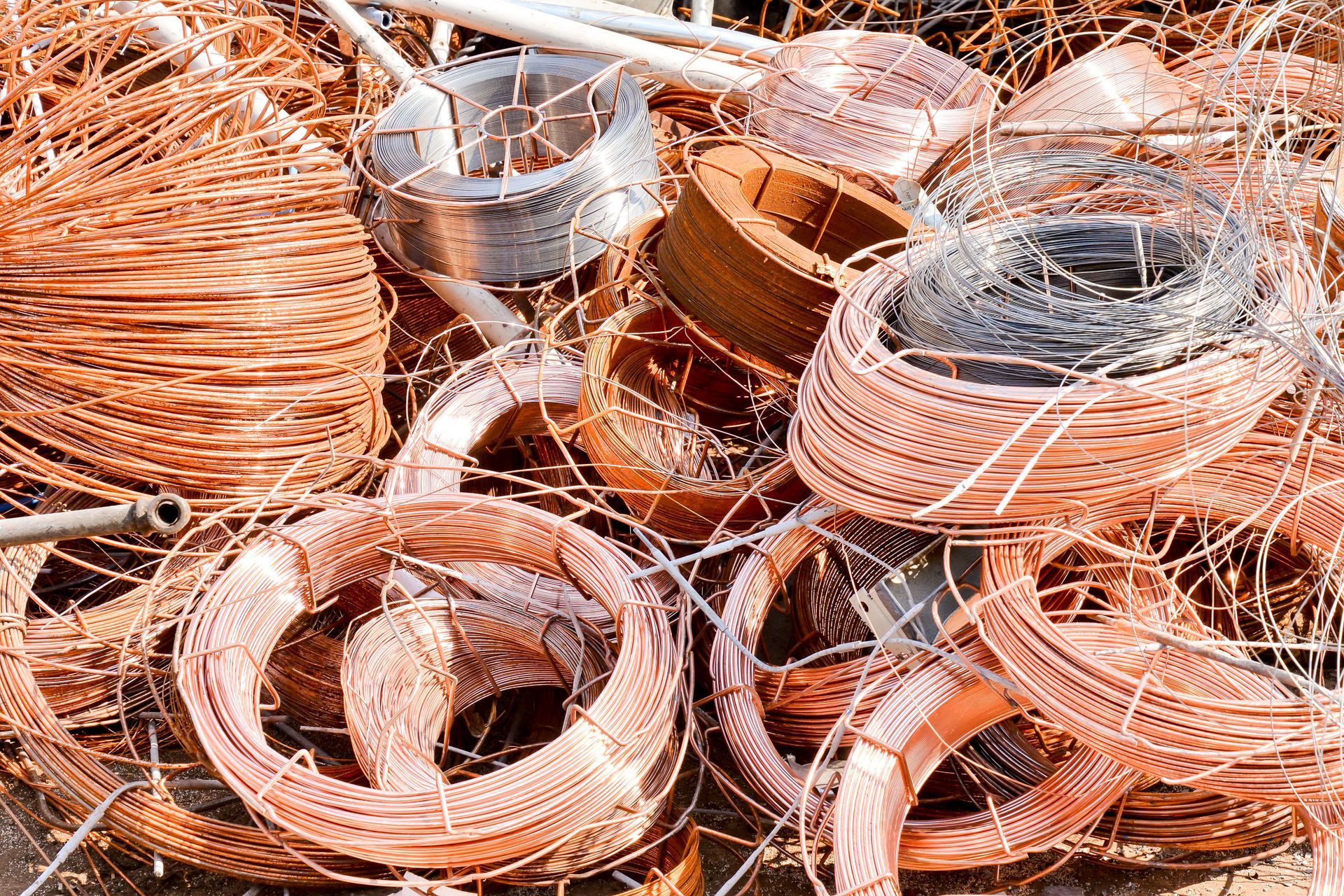
According to WifiTalents, roughly 33% of the total global copper supply is currently sourced directly from copper scrap. Such significant dependence on reused material highlights the massive importance of reclamation within the manufacturing sector. Continuous efforts to optimize and significantly enhance recovery processes stand to drastically reduce environmental costs associated with meeting massive global demand. Reusing these resources not only ensures the long-term sustainability of the supply chain but simultaneously alleviates heavy pressure on natural resources. The pivotal role of this element in both traditional and innovative sectors mandates a focused approach toward sustainable reclamation and resource management.
Melting Scrap to Reduce Primary Extraction
Following the thorough cleaning phase, gathered scrap is carefully melted and extensively refined, allowing it to be molded and utilized for new modern applications. This critical step requires incredibly precise temperature control to fully maintain the element's structural integrity and conductive properties. The high efficiency of this specific stage is greatly enhanced through recent technological advancements, whereby modern industrial furnaces are increasingly energy-efficient. As the final stage, casting occurs, where the refined liquid metal is physically shaped into new commercial products. Streamlining this workflow ultimately requires far less energy than extracting virgin materials from deep within the earth.
Conserving Energy by Repurposing Copper
Reusing copper is considerably more environmentally friendly compared to primary raw production. Using reclaimed resources consumes significantly less operational energy than forcefully extracting and chemically refining new ores. Independent studies suggest that repurposing this metal uses only a little of the total energy required for primary manufacturing production. This incredible energy efficiency directly translates into substantial reductions in harmful greenhouse gas emissions and dangerous airborne pollutants. These distinct advantages underscore the urgent necessity of heavily enhancing recovery efforts. Furthermore, minimized energy consumption takes immense pressure off local power grids during peak operational hours.
Preserving Natural Landscapes and Ecosystems
Beyond simply curbing atmospheric emissions, material reclamation actively aids in sustainable global resource management by diligently conserving pristine natural environments. When the elemental resource is thoroughly reused, significantly less raw mineral ore needs to be extracted from the earth. This massive reduction in physical mining heavily reduces the severe ecological pressures placed on natural landscapes and delicate biological ecosystems. Active conservation plays a vital role in carefully maintaining biodiversity, aggressively preventing habitat loss, and severely reducing soil and water contamination linked with traditional mining operations. Clean water initiatives also benefit greatly from diminished industrial runoff.
Securing Cost Savings for Heavy Manufacturers
A highly significant economic incentive for material recovery is the massive cost savings it consistently presents for commercial manufacturers. By relying heavily on reclaimed metals, leading manufacturers can easily save on the massive expenses generally associated with physically mining, globally transporting, and chemically processing brand new ore. These wonderful cost efficiencies arise simply because reclamation processes require vastly less operational energy and far fewer physical resources compared to highly traditional mining methods. The incredible reduction in overall production costs directly enables manufacturers to offer competitive market pricing, which greatly benefits end consumers and stimulates broader economic growth across sectors.
Innovating Processing Methods With New Technology
The promising future of material reclamation is incredibly bright, with newly emerging technologies fully poised to completely revolutionize the heavy industry. Brilliant innovations in recovery methods readily promise vastly increased operational efficiency and severely reduced negative environmental impact. These advancements include highly enhanced sorting techniques actively using advanced modern sensor technologies and artificial intelligence. Additionally, the rapid introduction of much greener, highly efficient smelting techniques actively aims to massively minimize harmful atmospheric emissions even further during the intensive recycling process. Smart robotics and automated systems now handle sorting tasks with pinpoint accuracy, reducing manual labor constraints.
Collaborating Globally to Be Sustainable With Long-Term Goals
Global initiatives and tight international collaborations are incredibly critical to successfully evolving modern material recovery practices. Large international forums and massive industry alliances play truly pivotal roles in carefully setting vital standards, freely sharing excellent operational frameworks, and actively coordinating massive efforts to quickly enhance recovery capabilities worldwide. These wonderful, highly effective collaborations effectively help in seamlessly harmonizing strict regulations and actively promoting completely transparent recovery practices. By working hand in hand closely, global stakeholders worldwide can easily ensure a highly sustainable material economy that wonderfully benefits all of humanity. Shared intelligence ensures that breakthrough methods are implemented rapidly.
Material reclamation - an essential sustainability practice - remains a highly powerful tool in drastically reducing heavy industrial carbon footprints, successfully offering a truly sustainable, long-term alternative to traditional resource production. As global industries actively strive to seamlessly reconcile with vital sustainable development goals, the importance of this work becomes undeniably crucial. If your facility is looking to manage scrap responsibly, we are here to help you achieve your environmental targets. At Keystone Recycling, we offer a vast array of tailored solutions to fit your exact operational needs. Our services specifically include copper buying, copper buying from businesses, copper pick-up, copper recycling, copper roll-off services, copper wire recycling, and industrial copper recycling. Reach out to us today to actively reduce your environmental impact!